


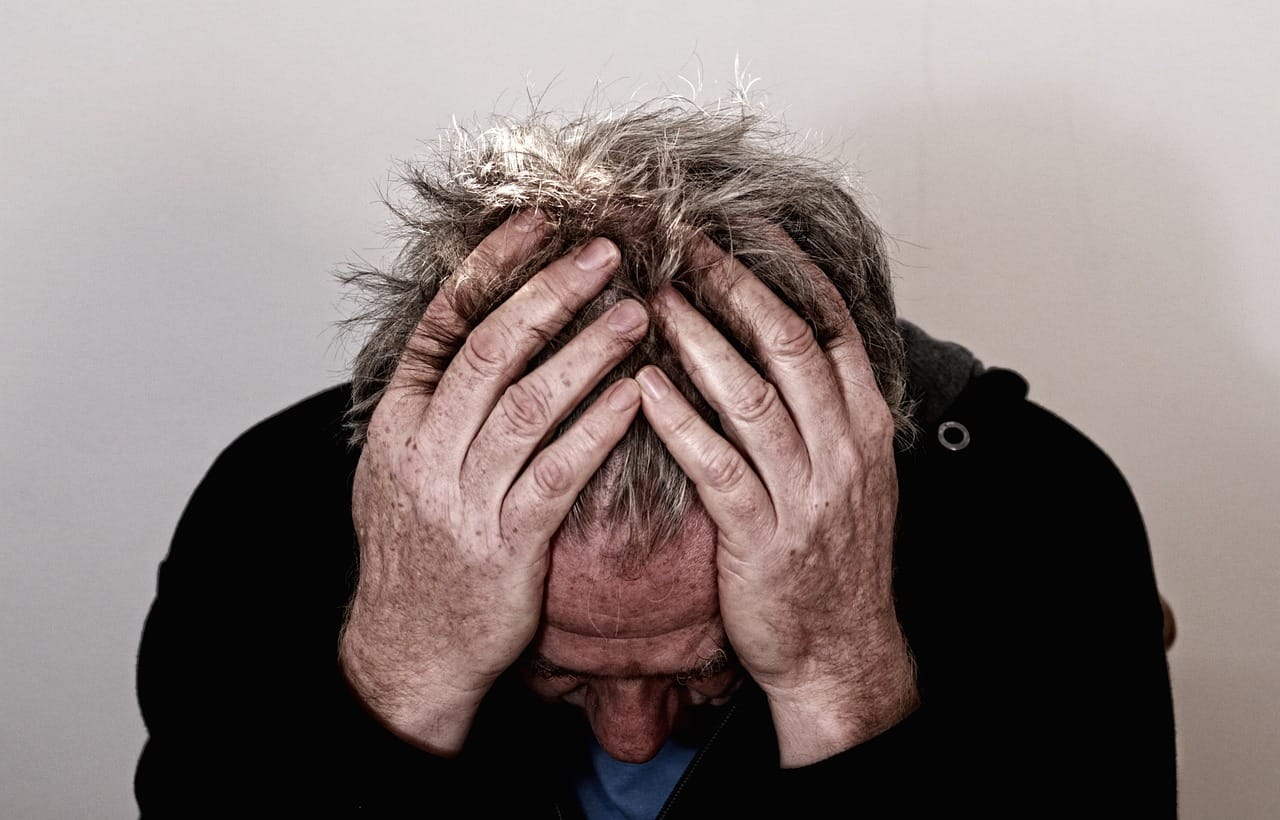
We tell boys not to cry. We tell men to hide their pain, to be strong, to “man up.” But emotions aren’t gendered. We then wonder why so many suffer in silence.
This November, also known as Movember, Men’s Mental Health month, invites us to rethink what strength really means. Because in a world where suicide remains the biggest killer of men under 50, maybe letting boys cry could be what saves them.
The Movember movement started in 2003, when two friends, Travis Garone and Luke Slattery, decided to grow moustaches to raise awareness for 3 men’s health issues – testicular cancer, prostate cancer, and men’s mental health. The movement continued to grow to over 5 million people taking part. The Movember foundation focuses on encouraging healthy lifestyles, cancer awareness, and breaking down the stigma around mental health.
The Movember foundation continues to carry out valuable research with experts around the world, and in one study found that sports play a key role in male mental health awareness. Young men see teams and athletes as safe spaces to learn about mental wellbeing. They believe coaches, parents, and athlete role models play key roles in providing mental support. The study also highlighted a need for better education and resources within sports clubs to help young men recognise and respond to mental health struggles in themselves and others.
Though women are twice as more likely to have depression, why is it that men’s suicide rates are 69% higher than womens?
Gender differences can be complex, with many factors to consider such as the likelihood that men are more reluctant to report their experiences and seek treatment.
Many men can tie their self worth to things like their job and income. This pressure to achieve their high standards can lead to feelings of failure when those standards aren’t met. Men are much more likely to be alcohol dependent which can also contribute to feelings of being anxious, sad and depressed. When men open up they tend to speak about practical, or logical problems such as work stress, rather than their emotions.
These struggles are not unique to men, however they’re becoming increasingly common as many feel that they have to appear strong at all times, and speaking out remains taboo.
Many of these pressures come from outdated cultural expectations and societal constructs of weakness in emotional expression. From a young age, boys are told to toughen up and hide their emotions. They are socialised to see vulnerability as weakness, creating adults who have become accustomed to hiding their pain behind strength. Toxic masculinity reinforces the cycle, promoting the idea that the “perfect man” is always strong and in control.
However, this isn’t an issue between individual men — it’s the result of years of patriarchal and toxic masculine values. Yet, each time one man opens up to another, that cycle begins to break down. As author Alison Armstrong said: “Men are so deep… the feelings we want them to talk about are deep sea diving, you’ve got to wait and wait, but it’s worth waiting for.”
As one expert noted, “Many men see asking for help as a weakness, and that belief can have deadly consequences.”
Thankfully, change is slowly happening. Campaigns like Movember, CALM, and HeadsUp are helping redefine what it means to “be a man.” Public figures such as UFC’s Paddy Pimblett, are openly discussing their struggles. As quoted by Pimblett in 2022, “I’d rather have my mate cry on my shoulder than go to his funeral next week. Men, start talking.” Pimblett also spoke on suicide saying “Once you take your life, it’s done. It’s over. But if you talk to someone and get it off your chest, you live to fight another day as they say.”
Speaking out doesn’t make men weak. It keeps them alive. To be vulnerable is one of the bravest things you can do.
As Robin Williams once said, “Suicide is a permanent solution to a temporary problem.”
If you’re struggling with anything please reach out, there will always be someone to listen.
When men talk, men live. It’s time we all start listening.
Helplines:
Samaritans (24/7) — 116 123
North Staffordshire Access Team (Harplands Hospital) — 0800 0 328 728 (Option 1)