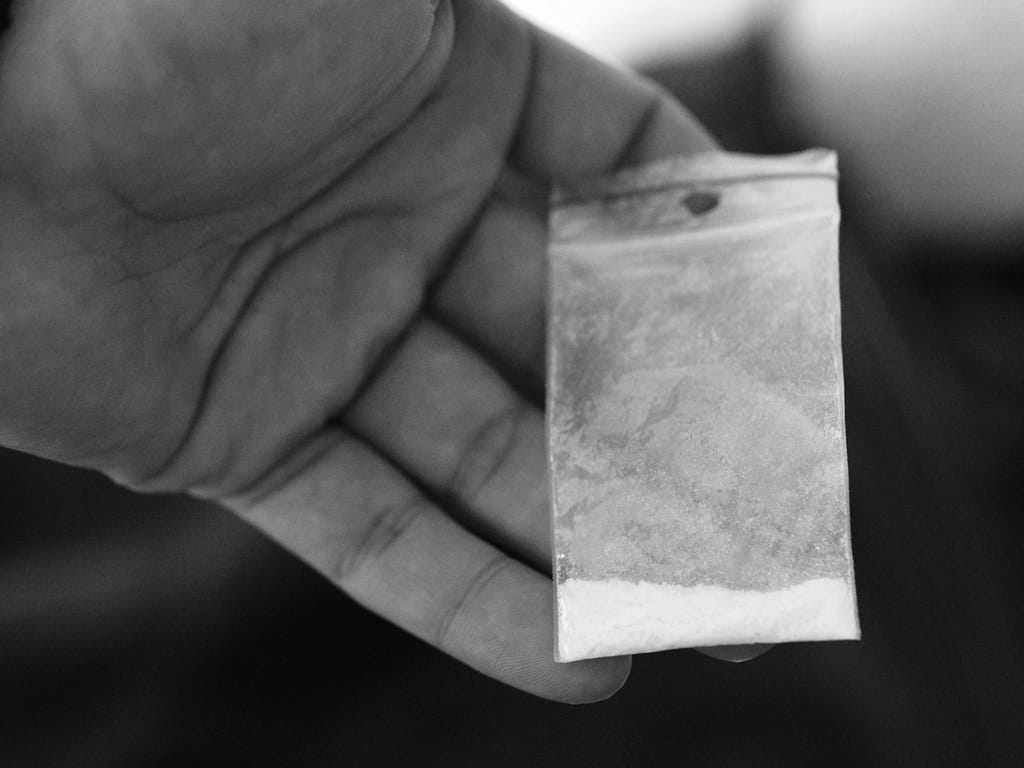




The drug crisis in North Staffordshire, centred around Stoke on Trent, Newcastle UL and other surrounding towns has become closely related with the drug Monkey dust.
Its effects extend to those using the drug, affecting homeless people and other vulnerable groups, local businesses and the public. The Advisory Council on the Misuse of Drugs (ACMD) has linked monkey dust use to antisocial behaviour, warning of its “substantial effects on local communities”.
The scale of the problem in the region has drawn national attention. In an assessment published by the Advisory Council on the Misuse of Drugs (ACMD). Drug-related deaths involving pyrrolidino-cathinones ( the family of stimulants commonly sold as monkey dust ) are much more common in North Staffordshire and surrounding areas than elsewhere in the UK.
Despite the years of concern, a central question persists: Why here?
What is monkey dust?
Monkey dust is also known as “zombie dust”, “bath salts” and its chemical names MDVP or methylenedioxypyrovalerone. It is not a single chemical but the street name for products that contain different synthetic cathinones.
These substances are synthetic stimulants that affect the central nervous system. The composition and strength of products sold under the name can vary, making their effects unpredictable.
The drugs can cause severe agitation, paranoia and hallucinations. Professionals working with users in North Staffordshire have reported people experiencing terrifying delusions, including believing that creatures are inside their bodies. The ACMD has also documented reports of people running into traffic, jumping from rooftops and behaving erratically in public while believed to be under the influence of these substances.
The Monkey dust problem in the UK gained headlines in 2018 after tabloid stories of violent incidents in Stoke on Trent involving people being under the influence of the drug. Experts on addiction have criticised the media’s hand in having “dehumanised, criminalised, and stigmatised” people with monkey dust addiction and abuse issues in their reporting.
Monkey dust has attracted particular attention in North Staffordshire, but its reach is not confined to one town. The ACMD identified reported markets across Stoke-on-Trent, Newcastle-under-Lyme, Stafford, Stone, Uttoxeter and parts of Shropshire.
Why has North Staffordshire been hit so hard?
The pertinence of the issue in the region is striking. According to the ACMD, 52 per cent of the 75 UK deaths involving synthetic cathinones recorded between 2019 and 2023 occurred in Staffordshire.
Crucially, the council says the reasons for North Staffordshire’s concentration of use and harm remain unclear.
Local supply chains form part of the picture. Staffordshire Police’s Operation Rivent targets those supplying monkey dust across the county, while police intelligence has identified Stoke-on-Trent as a central hub for local activity.
Another part is how exceptionally cheap it is. A single hit can cost as little as £2, making it far cheaper than alcohol, cocaine, or heroin. In financially disadvantaged towns across North Staffordshire, this price point makes it highly accessible to vulnerable groups, including the homeless.
Dealers travelling between towns and established distribution networks may help sustain the market. Law enforcement frequently intercepts large-scale shipments locally, such as a single van seizure in Longton that uncovered £1.5 million worth of the drug.
The wider circumstances of some users also matter. The ACMD found that people studied in local research often faced several disadvantages at once, including homelessness, unemployment, mental health difficulties, adverse childhood experiences and the use of multiple substances.
Though these findings do not characterise every user, it does point to challenges facing services trying to support people whose drug use overlaps with housing insecurity, poor mental health and other vulnerabilities.
The current evidence however does not establish a single cause for the region’s disproportionate burden when compared to other areas of the country with higher levels of homelessness and low income.
A warning over exploitation
In Newcastle Under Lyme, in particular the drug issue and its relationship to vulnerable people has become a policing priority.
In September 2026, Staffordshire Police identified the supply and use of drugs in the town centre as a concern, specifying the drug use among homeless people and warning that dealers were seeking to exploit them.
Police said the issue had knock-on effects for antisocial behaviour, low-level disorder, violence and theft from shops and businesses.
The force said dedicated daily patrols had been introduced in and around the town centre, supported by plain clothes policing in specific hotspots. Officers also said they were working with partner agencies to support people experiencing homelessness.
Someone experiencing homelessness are particularly vulnerable to violence, coercion or pressure from people supplying drugs, while the instability of life without secure accommodation can make it harder to access support.
There is also evidence of wider harms faced by vulnerable people, including trafficking and sexual exploitation among people affected by synthetic cathinones.
Though the police have identified the exploitation as a concern, this does not establish how many people have been exploited, how often it happens or how much of the town’s wider crime is directly connected to monkey dust.
What is being done?
The Staffordshire police have been pursuing these supply networks through Operation Rivent, an initiative that combines enforcement with the effort to safeguard vulnerable people.
In an update published on 26 August 2026, the force reported around 35 arrests over the preceding six months, approximately 52 disruptions linked to the operation and the seizure of around 25kg of suspected monkey dust. The majority of arrests took place in Stoke-on-Trent, followed by Stafford and Newcastle-under-Lyme.
The force also reported the work involving 17 women and a number of children.
More locally, police reported that 44 people were stopped and searched after drug dogs indicated the possible presence of drugs during two Newcastle-under-Lyme town-centre operations in August. Six people received community resolutions after substances including cocaine, cannabis and a THC vape were seized.
Police also reported carrying out more than 60 hours of town-centre foot patrols in July and August, during which nine vulnerable people were identified and supported through partner agencies. The force did not specify that all nine were homeless or victims of drug-related exploitation.
The ACMD’s review of earlier work in Stoke-on-Trent identified barriers to referral pathways and a lack of treatment and rehabilitation options as areas requiring attention. This highlights enforcement is only one part of the solution. Disrupting supply can reduce availability, but it does not by itself address the circumstances that may leave people vulnerable to continued drug use or being exploited.
Beyond the headlines
Monkey dust has become a public concern in North Staffordshire, particularly when contributing to incidents of anti-social behavior, disorder and theft . But the people affected cannot simply be reduced to images of disorder on town centre streets.
The ACMD has called for a better understanding of why synthetic cathinone harms are so concentrated in the region. Until we have an answer to that question it’s difficult to know what support can make the greatest difference for the long term.
The immediate challenge is twofold, especially in Newcastle Under Lyme. It involves tackling those who supply drugs and exploit vulnerable people, while also ensuring those experiencing homelessness or drug-related harm can access help without being defined solely by their circumstances.
Though the scale of the crisis is clear. Though the reasons behind it elude authorities and support services, they must continue to address the problem on the streets of North Staffordshire .